Imagine a culture so deeply connected to the rhythm of nature that every subtle change is celebrated, documented, and cherished. Welcome to the world of Japanese saijiki – a unique cultural treasure that goes far beyond a simple calendar or schedule of events.
What Exactly is a Saijiki?
A saijiki is a comprehensive record of seasonal traditions, natural phenomena, and cultural practices that capture the essence of Japanese life throughout the year. It’s not just a book – it’s a cultural lens that reveals how Japanese people perceive and interact with the world around them.
The Four Seasons: More Than Just Weather
In Japan, seasons aren’t just climate changes – they’re living, breathing experiences. Each season has its own personality, sensory palette, and emotional landscape:
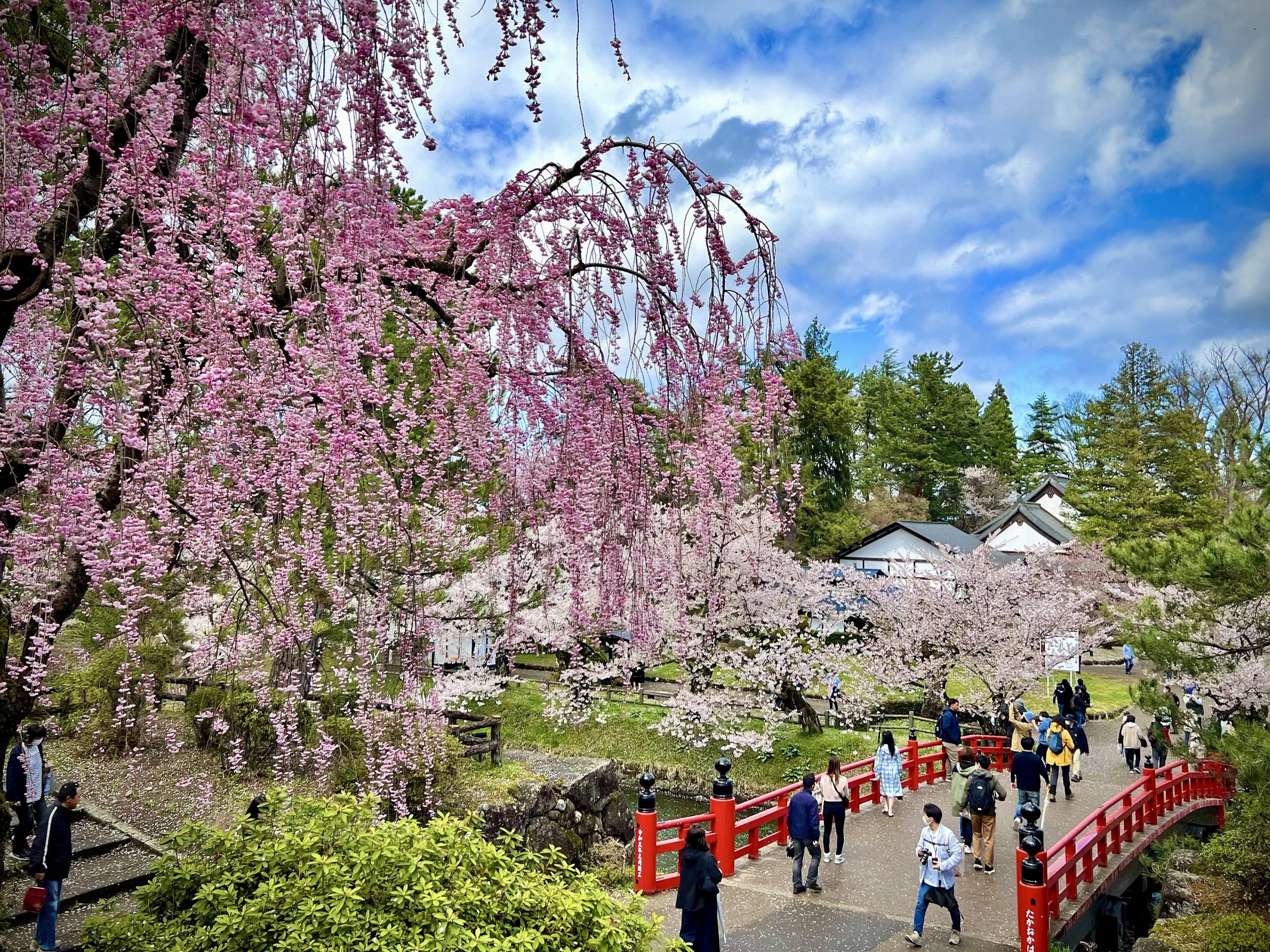
- Spring (Haru): Celebrated with iconic cherry blossom viewings (hanami), symbolizing beauty, renewal, and the ephemeral nature of life
- Summer (Natsu): Marked by festivals, fireworks, wind chimes, and the rhythmic sound of cicadas
- Autumn (Aki): A time of reflection, characterized by stunning red and gold foliage, harvest festivals, and moon-viewing parties
- Winter (Fuyu): Quiet and contemplative, with snow festivals, warm hot springs, and New Year celebrations
Cultural Significance
Saijiki are deeply rooted in several aspects of Japanese culture:
1. Literary Traditions
Poets and writers have long used seasonal references in their work. Haiku poetry, for instance, always includes a seasonal word (kigo) that instantly conjures a specific time of year and its associated emotions.
2. Spiritual Connection
The saijiki reflects Japan’s traditional spiritual practices, particularly the Shinto belief in the sacred nature of natural phenomena. Each seasonal change is an opportunity for reflection, celebration, and connection with the natural world.
3. Practical Traditions
Many saijiki entries include practical information about traditional activities:
- Specific foods to eat
- Clothing styles
- Agricultural practices
- Festivals and ceremonies
Modern Relevance
Despite rapid modernization, Japanese people continue to honor these seasonal traditions. Urban professionals might still participate in hanami, prepare special foods during festivals, or decorate their homes according to seasonal themes.
Examples of Saijiki Traditions
Some fascinating examples include:
- Cherry blossom viewing in spring
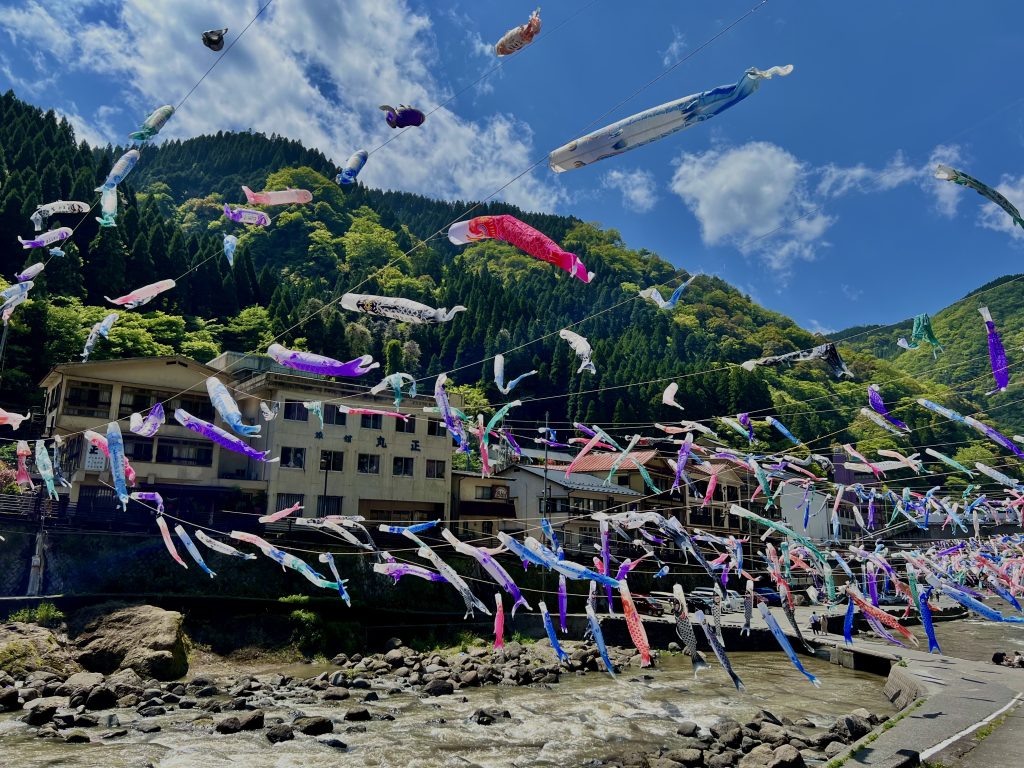
- Setting up intricate displays for Children’s Day
- Eating specific seasonal foods like watermelon in summer or oden in winter
- Participating in moon-viewing ceremonies in autumn
A Cultural Invitation
For foreigners, understanding saijiki offers a profound insight into Japanese culture. It’s not just about knowing when events happen, but understanding the deep emotional and spiritual significance behind these traditions.
Pro Tip for Travelers
If you visit Japan, try to align your trip with some of these seasonal traditions. You’ll experience Japan far beyond typical tourist experiences.
Conclusion
Saijiki represent more than a record of events – they are a beautiful, intricate dance between humans, nature, and cultural memory. They remind us that time isn’t just a linear progression, but a cyclical, rich tapestry of experiences and emotions.
Embrace the seasons, and you’ll start to understand the Japanese soul.



コメント
コメント一覧 (1件)
こんにちは、これはコメントです。
コメントの承認、編集、削除を始めるにはダッシュボードの「コメント」画面にアクセスしてください。
コメントのアバターは「Gravatar」から取得されます。